
If you suffer from chronic shoulder pain that makes everyday tasks difficult, such as getting dressed, reaching for a top shelf, or taking a shower, the solution may be shoulder replacement surgery. Constant, severe pain in the joint may be a symptom of osteoarthritis, which is one of the most common causes of joint pain as the cartilage that protects the joint degenerates and wears away. Learn more about the treatment for this sports injury by reading below.
In order to determine which shoulder treatments are right for you, it is important to first receive an accurate diagnosis from a skilled orthopedic specialist. Dr. Eric Millstein is a board certified orthopedic surgeon with years of experience and training in sports medicine and orthopedic surgery. For a comprehensive evaluation, please do not wait to make an appointment today by calling 310.595.1030!
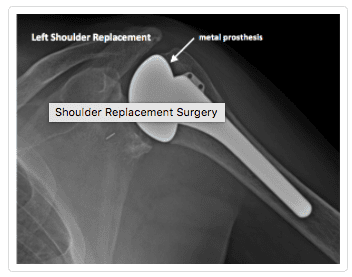
Because the shoulder is constructed from the collarbone, shoulder blade, and humerus, degeneration of the joint caused by arthritis or bone fractures can severely impede range of motion in the affected joint. When more conservative treatments like physical therapy and medication fail to alleviate pain, a replacement may be recommended.
In this procedure, arthritic joint surfaces and the damaged ball-and-socket joint are replaced with artificial components. The ball is replaced with a metal ball that is secured into the arm bone (humerus) with a stem. The socket or glenoid is resurfaced for a smooth fit with a prosthetic made of high-density polyethylene. The shoulder replacement surgery is highly successful for the majority of patients, who experience pain relief and improved function.
Learn more about the procedure at webmd.com.
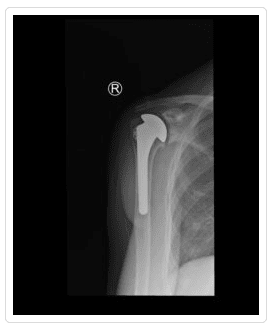
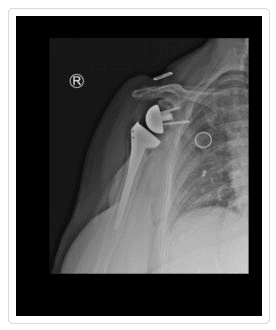
There are two main types of hemiarthroplasty commonly provided in replacing shoulder joints: stemmed hemiarthroplasty and resurfacing hemiarthroplasty.
A stemmed hemiarthroplasty involves replacing only the ball of the ball-and-socket joint. The ball is secured to the top of the humerus (arm bone) with a stem that is press fit into place. The procedure is recommended for patients who still have a healthy and fully functioning glenoid (socket) and cartilage or those who have severely weakened bone in the glenoid, or a significantly torn rotator cuff tendon.
In this procedure, the humeral head, or ball at the top of the humerus (arm bone) is resurfaced and reinforced with a prosthetic cap. This surgery is recommended for patients who have enough healthy bone and cartilage that may function with only minimal adjustments. If the ball is still intact and the humeral neck that supports the ball has not been recently broken, the resurfacing hemiarthroplasty may be all that is necessary.
Shoulder replacement surgery is an effective method for relieving pain and restoring function to the joint if the structures have been damaged or degenerated. Surgery may be recommended for:
Depending on the specifics of your condition, a shoulder replacement, reverse shoulder replacement, or hemiarthroplasty may be recommended for your unique needs. With a patient’s medical history and a thorough evaluation, involving a physical exam, X-rays, blood tests, MRI, and other tests, Dr. Millstein can carefully determine the cause of the pain and whether shoulder replacement surgery is appropriate. Conditions in which surgery may be recommended include:
Osteoarthritis (Degenerative Joint Disease) – In many cases, people over the age of 50 begin to experience pain in their shoulders and other joints as a result of the degeneration of the cartilage, which cushions the bones of the joint. With less cartilage, the bones can scrape together with each movement, causing stiffness, swelling, and pain. The condition can also affect younger individuals, particularly if they have suffered an injury or trauma.
Post-Traumatic Arthritis – Osteoarthritis that occurs as a result of an injury is called post-trauma arthritics. This condition occurs because a traumatic injury that damages the bones, tendons, or ligaments of the shoulder joint can place extra strain and wear and tear on the cartilage, resulting in faster degeneration.
Rheumatoid Arthritis – RA is a chronic disease in which the synovial membrane that helps lubricate the joints becomes inflamed. Chronic inflammation can cause the shoulder joint cartilage to thicken and wear away, making movements more difficult and painful.
Rotator Cuff Tear Arthropathy – Essentially, a tear in the rotator cuff of the shoulder can eventually cause arthritis and degeneration of the cartilage.
Avascular Necrosis (Osteonecrosis) – When the blood supply to the shoulder bones is cut off, whether due to severe injury, sickle cell disease, chronic steroid use, or alcoholism, the bone cells will begin to die and degenerate.
Fractures – Fracture injuries, particularly if a bone is shattered, can compromise the joint by cutting off blood supply, healing improperly, or damaging the cartilage, tendons, and ligaments.
If shoulder replacement surgery is recommended, it is crucial to work with a trusted orthopedic surgeon to ensure the best possible outcome. Shoulder replacement surgery is a complex procedure and it is important to discuss your options and concerns with a skilled surgeon with a strong track record of success. Dr. Millstein has extensive experience performing a variety of joint replacement procedures.
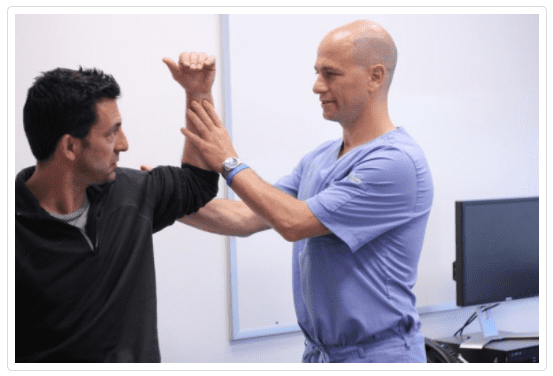
If you would like to know more about the shoulder anatomy, schedule a consultation with Dr. Millstein by calling (310) 595-1030 today!